The Woman Who First Brought Heidi to Japan
 N_Soreccha
Yaeko Nogami was a writer from Usuki, the daughter of a local brewing family — and the first person to translate Heidi into Japanese.
You Know Heidi. But Have You Heard of Yaeko Nogami?
If you grew up with Heidi, you may be surprised to learn that the story reached Japan more than 100 years ago.
The first Japanese translation of Johanna Spyri's Heidi was published in 1920.
The translator was Yaeko Nogami, a woman who was born in Usuki, a small city in Kyushu.
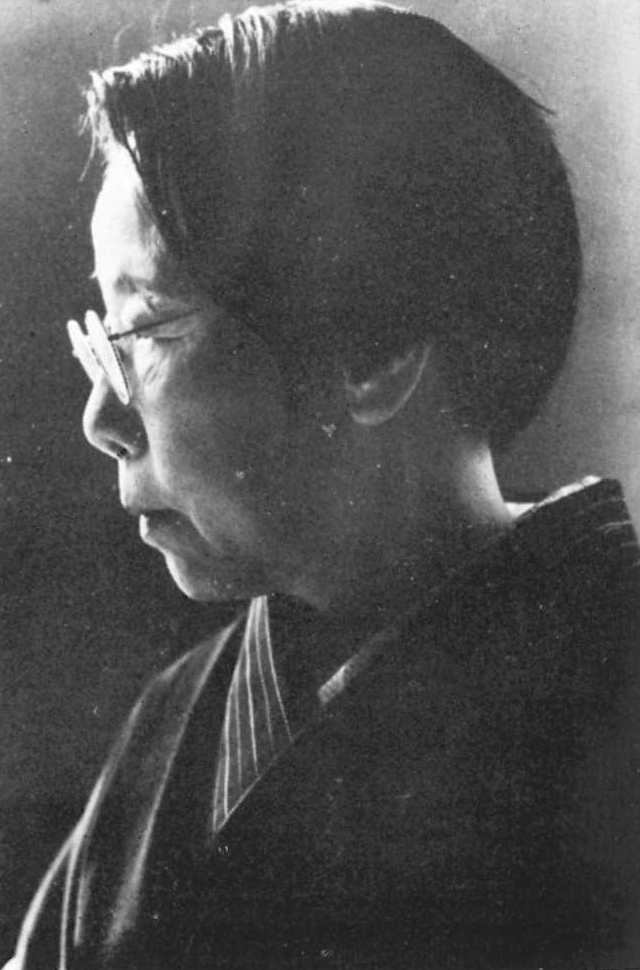
Yaeko Nogami (1885–1985), the writer from Usuki who first translated Heidi into Japanese.
Image: Wikimedia Commons (Public Domain)
For people outside Japan, this may be the easiest way to discover her.
But there is much more to her story than Heidi.
She became one of Japan's major writers, lived to the age of 99, knew some of the most famous literary figures of her time — and grew up in the family that would later become associated with Fundokin, the Japanese soy sauce and miso company.
So let's start with a little girl from Usuki who helped bring a Swiss classic to Japanese readers.
A Swiss Story Arrives in Japan
Johanna Spyri's Heidi was first published in Switzerland in 1880–81.
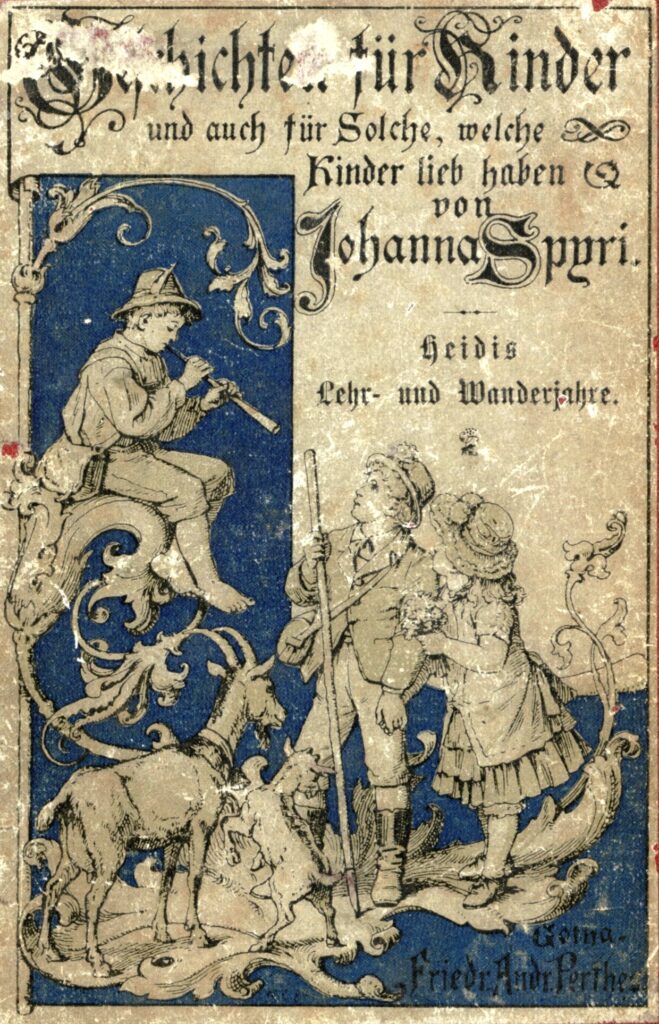
An 1887 German edition of Heidi, written by Swiss author Johanna Spyri.
Image: Wikimedia Commons (Public Domain)
In Japan, it first appeared in Japanese translation in 1920, under the title Haiji.
Nogami's translation was not made directly from the original German. She translated it from an English version. Even so, it was the first Japanese translation of Heidi.
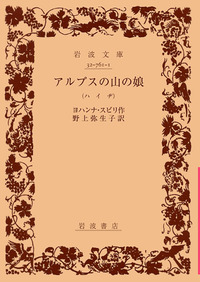
A later Japanese edition of Heidi, translated by Yaeko Nogami. A copy of her original 1920 translation was on display when I visited the Yaeko Nogami Literary Museum in Usuki.
Image: Iwanami Shoten
This was more than 50 years before the famous Japanese animated series Heidi, Girl of the Alps appeared in 1974.
That anime became enormously popular in Japan and was later seen in many other countries.
But long before the anime, Japanese readers were already meeting Heidi through the words of a young Japanese writer from Usuki.
A Writer from a Soy Sauce Family
There is another surprising part of Nogami's story.
She was born in Usuki in 1885 as the eldest daughter of Kotegawa Kakuzaburo and Masa.
Her family ran a brewery, and the family business eventually became closely connected with Fundokin, one of the best-known soy sauce and miso producers in Kyushu.
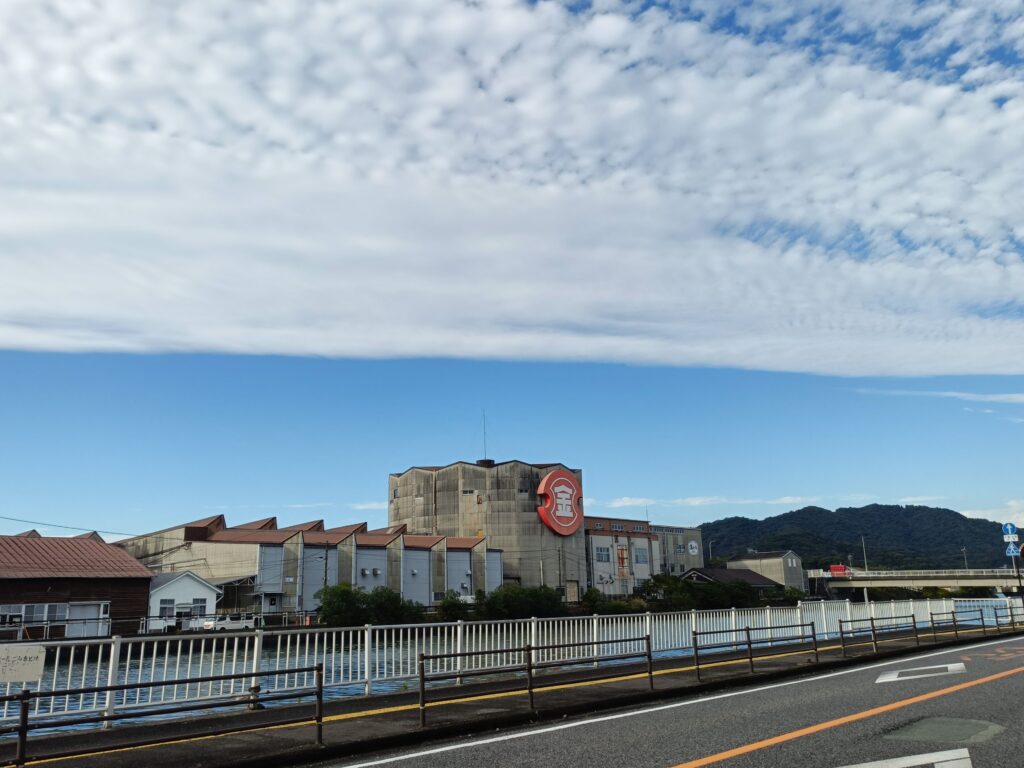
The Fundokin soy sauce factory in Usuki. Yaeko Nogami's family had close ties to the company.
Photo: SORECCHA
Her younger brother, Kinjirō, later became the second-generation head of Fundokin. Nogami continued to support and look after him and the family business throughout her life.
So the connection is rather unexpected:
Heidi → Yaeko Nogami → Fundokin → Usuki
Fundokin itself has another surprising connection to international popular culture — but that's a story for another time.
This time, our story leads to one of Japan's most important female writers.
She Became Much More Than a Translator
Nogami left Usuki for Tokyo alone when she was just 15.
There, she studied at Meiji Jogakko, a school for girls, and eventually married fellow Usuki native Toyoichiro Nogami.
She began writing under the guidance of the famous novelist Natsume Soseki, one of the most important figures in modern Japanese literature.
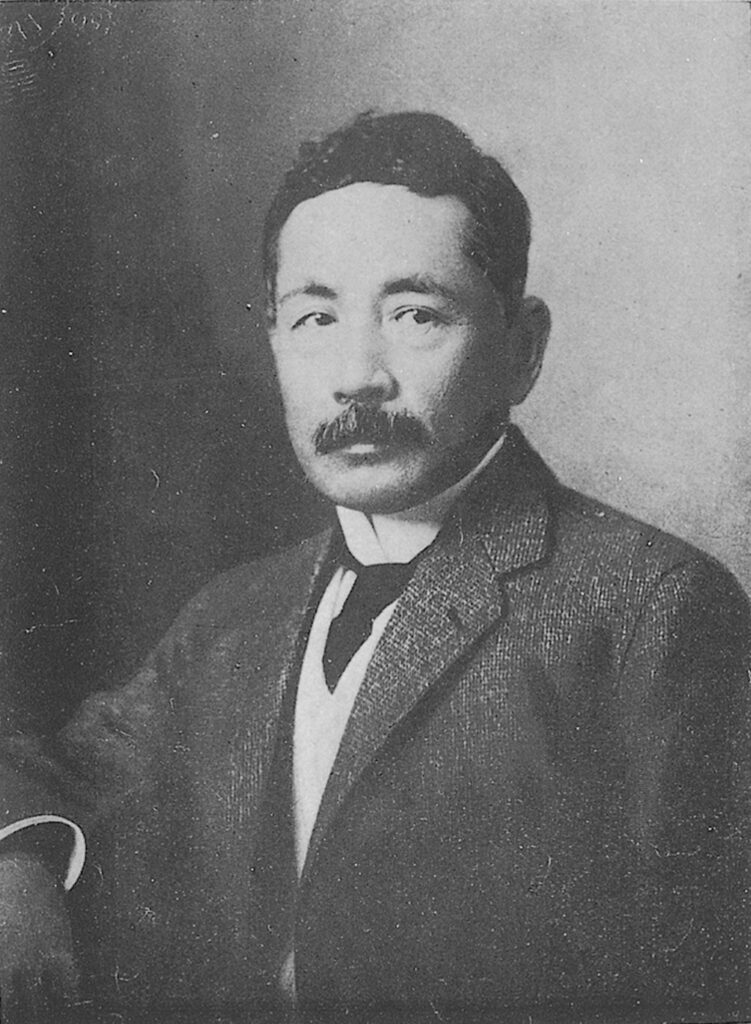
Natsume Soseki (1867–1916), one of Japan's most influential novelists and a mentor to Yaeko Nogami.
Image: Wikimedia Commons (Public Domain)
She went on to publish novels, essays, travel writing and other works for nearly 80 years.
Some of her best-known works include Kaijin-maru, Machiko, Meiro and Hideyoshi and Rikyu.
In 1971, at the age of 86, she received the Order of Culture, one of Japan's highest cultural honors. She continued writing almost until her death at 99.
Her life therefore spans an extraordinary period of Japanese history.
She was born in the Meiji era.
She became a writer when modern Japanese literature was still developing.
And she was still writing in the 1980s.
When She Told Ryunosuke Akutagawa to Die
Perhaps the most surprising story about Nogami involves another famous Japanese writer:
Ryunosuke Akutagawa.
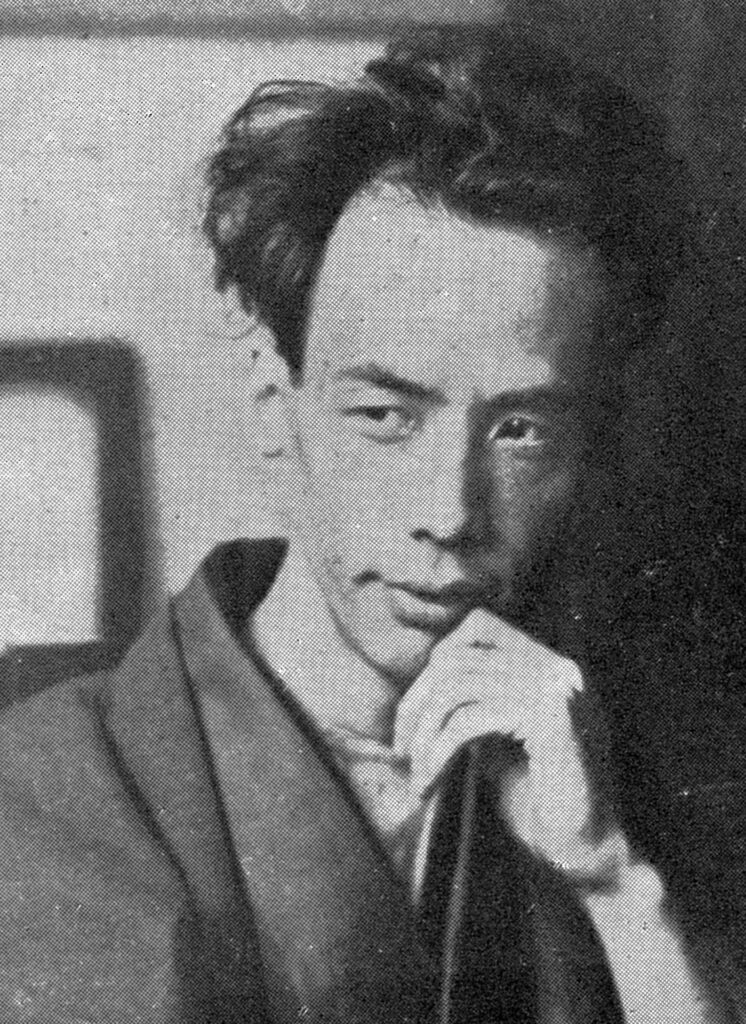
Ryunosuke Akutagawa (1892–1927), the Japanese writer known for Rashomon and In a Grove.
Image: Wikimedia Commons (Public Domain)
If you have encountered Japanese literature outside Japan, you may know Akutagawa as the author of Rashomon and In a Grove.
Nogami and Akutagawa lived near each other in Tokyo and knew each other.
In one of her later essays, Nogami described a conversation with Akutagawa.
He was complaining about his declining health and his financial problems. The conversation became unexpectedly dark — and then Nogami made a joke.
She suggested that if he really wanted to make money, there was an easy way:
he could die, publish his collected works, let the royalties make him rich, and then come back to life.
Akutagawa laughed and replied that he had thought about it himself.
They continued joking about the idea.
At the time, neither could have known how disturbing the story would become.
More than a year later, in 1927, Akutagawa actually died by suicide.
Nogami later wrote about the conversation herself, and the story is preserved as one of the striking episodes of their relationship.
The story is easy to misunderstand if you only hear one sentence — "Nogami told Akutagawa to kill himself."
But her own account makes clear that this was a dark joke during a conversation between two writers, not a serious recommendation.
And knowing what happened to Akutagawa later makes the memory all the more unsettling.
And Then There Was Itagaki Taisuke
Akutagawa was not the only famous person connected to the Nogami family.
Another was Taisuke Itagaki, one of the major political figures of Japan's Meiji era.
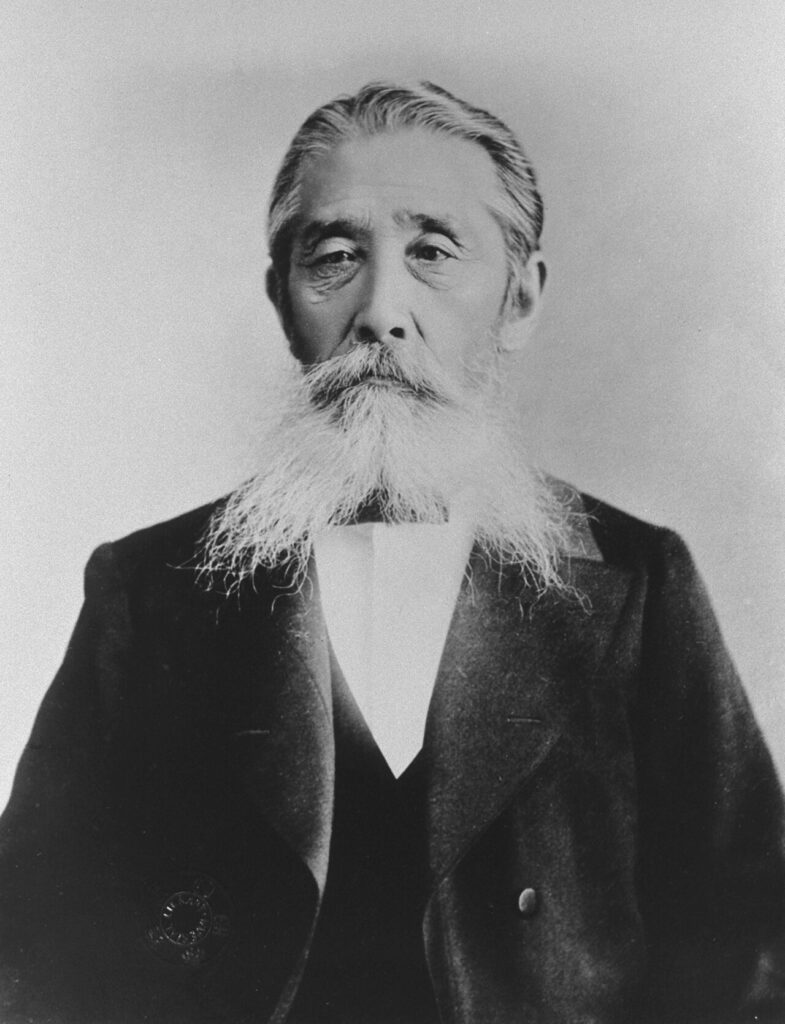
Taisuke Itagaki (1837–1919), one of the leading political figures of Japan's Meiji era.
Image: Wikimedia Commons (Public Domain)
Nogami's uncle, Toyojiro Kotegawa, became involved in politics and had connections with Itagaki and his political group.
The Kotegawa family home in Usuki became a place where politicians and local influential figures gathered.
There is even a photograph showing Itagaki and members of his political party at the Kotegawa family home.
You can see the historic photograph on Fundokin's website.
And this is where the story gets particularly interesting for a visitor to Usuki.
Look at the background of the photograph.
There is a tree.
That tree is still there.
The photograph was taken more than a century ago.
Today, the former Kotegawa family home is associated with the Yaeko Nogami Literary Museum.
So you can look at an old photograph of a famous Japanese politician standing in a Usuki family garden — and then stand in that same place today.
That is the kind of connection that can make history feel surprisingly close.
A House Full of Her Story
The Yaeko Nogami Literary Museum is located in part of the house where Nogami grew up.
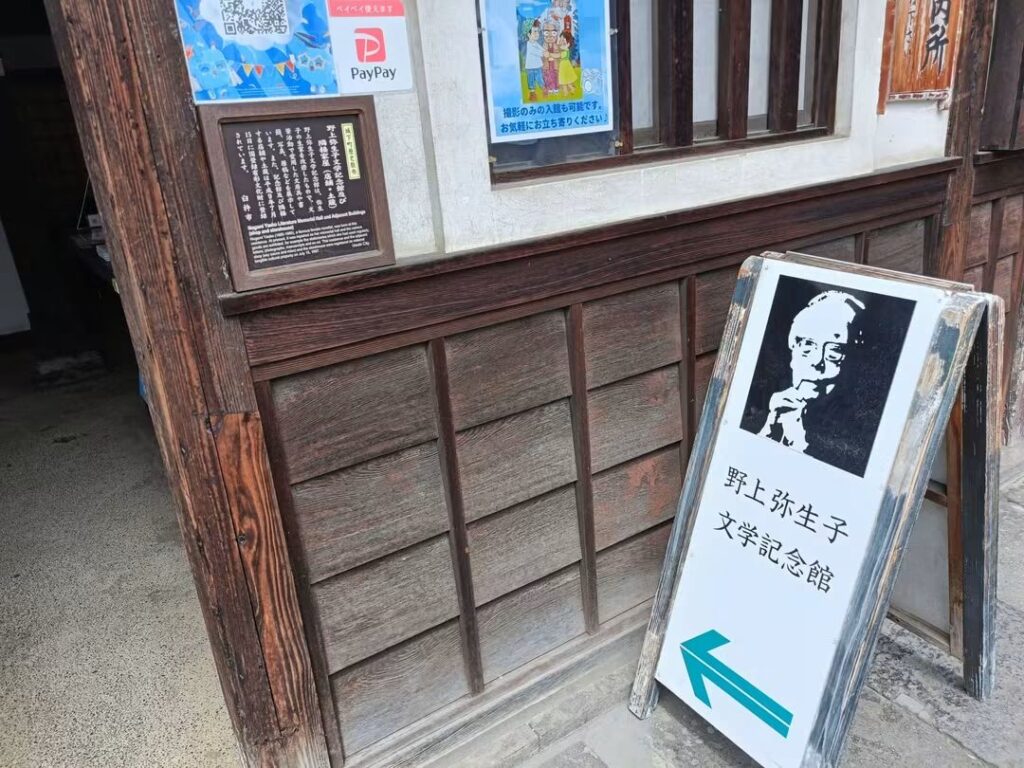
The entrance to the Yaeko Nogami Literary Museum, housed in part of the Kotegawa family home where Yaeko was born.
Photo: SORECCHA
The museum displays items connected with her life, including her childhood study room, manuscripts, personal belongings, and a letter from Natsume Soseki. Around 200 items are displayed.
For someone interested in Japanese literature, it is an obvious place to visit.
But you don't need to be a literature expert to find the place interesting.
You can simply think about the connections:
A girl grew up in this house.
She later moved to Tokyo.
She became a writer.
She knew Soseki and Akutagawa.
She translated Heidi.
Her family was connected to the company behind the Fundokin factory you can see today.
And a photograph taken here includes one of the most famous political figures of Meiji-era Japan.
All of that happened around one family home in a small city in Kyushu.
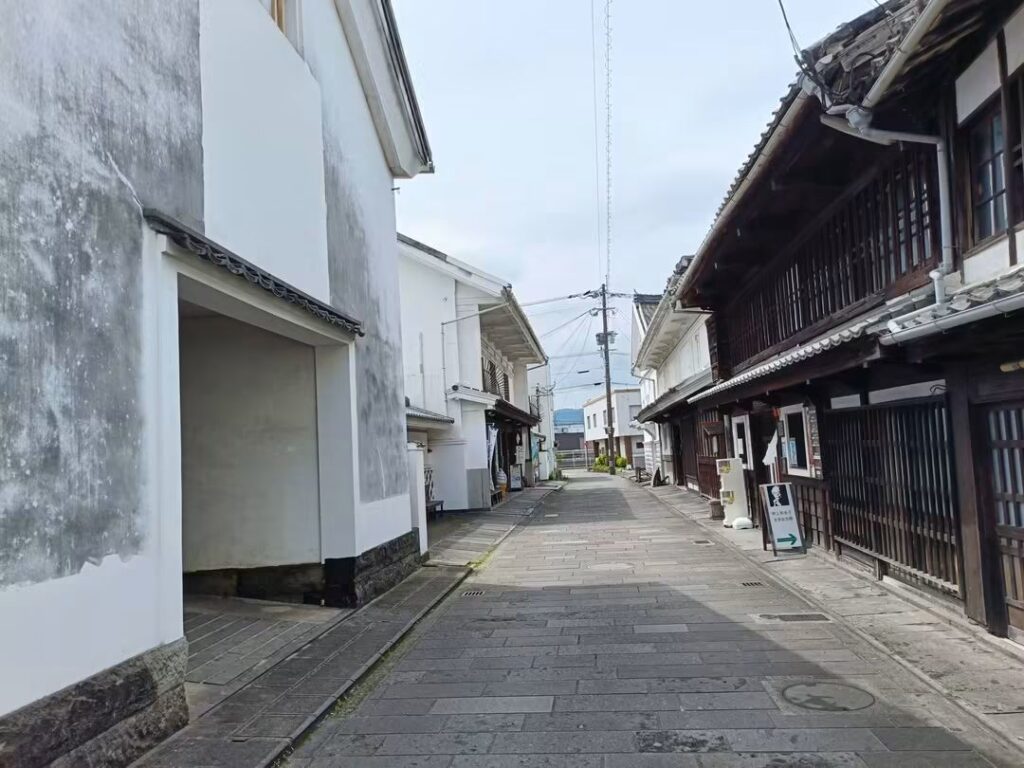
The Yaeko Nogami Literary Museum stands along one of Usuki's historic streets.
Photo: SORECCHA
From Heidi to Usuki
If you only knew Usuki for its stone Buddhas and old streets, you might not expect a connection to Heidi.
You might not expect a connection to Akutagawa.
You might not expect a photograph of Itagaki Taisuke.
And you probably would not expect all of these stories to lead back to the same family.
But that's what makes exploring Usuki interesting.
Sometimes you start with something you already know.
Heidi.
Then you discover the person who first translated it into Japanese.
Then you discover her family.
Then Fundokin.
Then some of the most famous writers and politicians of modern Japan.
And eventually, you find yourself standing in the very house where the story began.
That is one of the things I like about Usuki.
You don't always have to look for a big monument.
Sometimes, you just have to look a little closer.
If You Want to Know More
About Yaeko Nogami and Usuki
- Yaeko Nogami Literary Museum — Usuki City
Official information about the museum in Usuki. - Yaeko Nogami — Fundokin
An introduction to her life, literary career and connections to the Kotegawa family and Fundokin. - Famous People Who Knew Yaeko Nogami — Fundokin
Stories and historical material about the notable writers and politicians connected with Nogami and her family. - The First Japanese Translation of Heidi — Academic Research
Research on Nogami's 1920 Japanese translation of Heidi. (PDF, Japanese)