The Man Behind Japanese Football's Three-Legged Crow
 N_Soreccha
The story of Jitsuzo Hinago, a sculptor from Usuki who designed the symbol of Japanese football.
You’ve Probably Seen This Crow
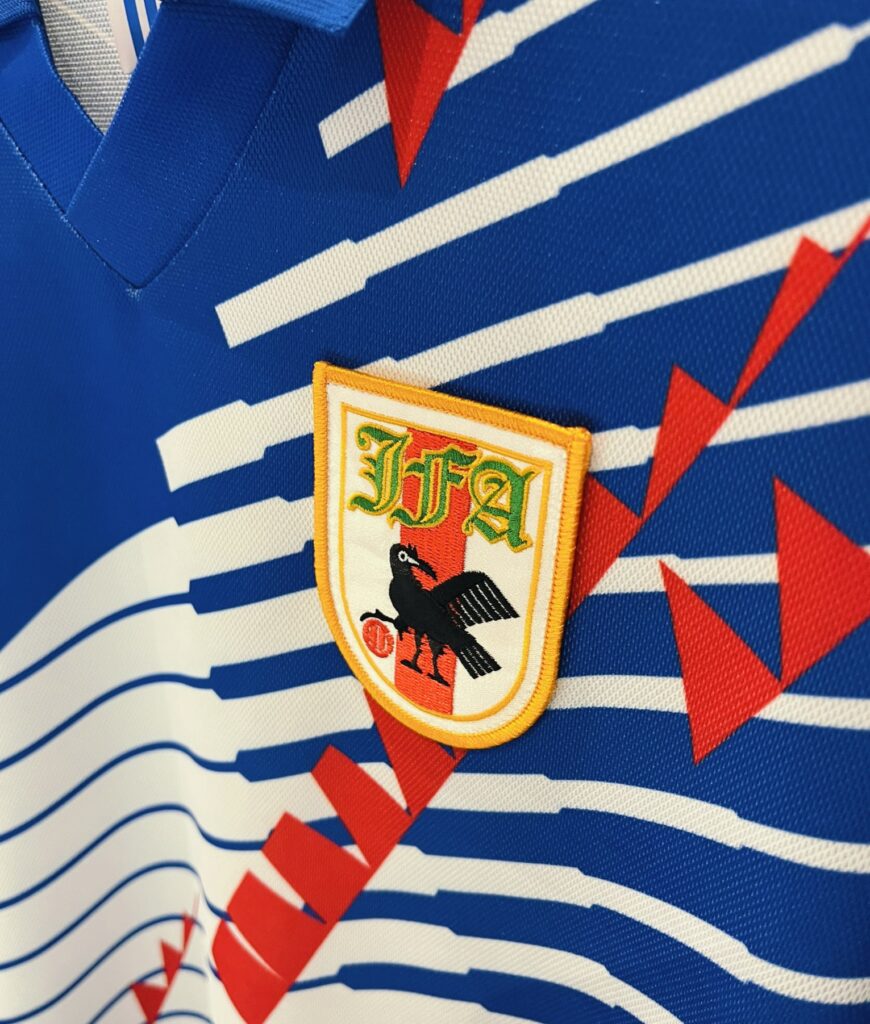
The three-legged crow on a Japan national football team jersey.
Photo: SORECCHA
If you have ever watched Japan’s national football team, you may have noticed a strange bird on the team’s emblem.
It is black.
It has three legs.
And it is standing on a football.
The bird is called Yatagarasu, a legendary three-legged crow from Japanese mythology.
Today, it is one of the most recognizable symbols of Japanese football.
But what is a three-legged crow doing there?
And what does it have to do with a small city in Kyushu?
A Bird from Japanese and East Asian Stories
Yatagarasu appears in ancient Japanese mythology.
According to the stories, the bird was sent by the gods to guide Emperor Jimmu on his journey through Japan.
The three-legged bird also has connections with ancient Chinese mythology, where a three-legged crow was associated with the sun.
Over the centuries, the mysterious bird became a symbol of guidance.
That made it a surprisingly appropriate symbol for football.
Meet Jitsuzo Hinago
The man who turned the legendary bird into a symbol of Japanese football was Jitsuzo Hinago.
Hinago was born in Usuki in 1893.
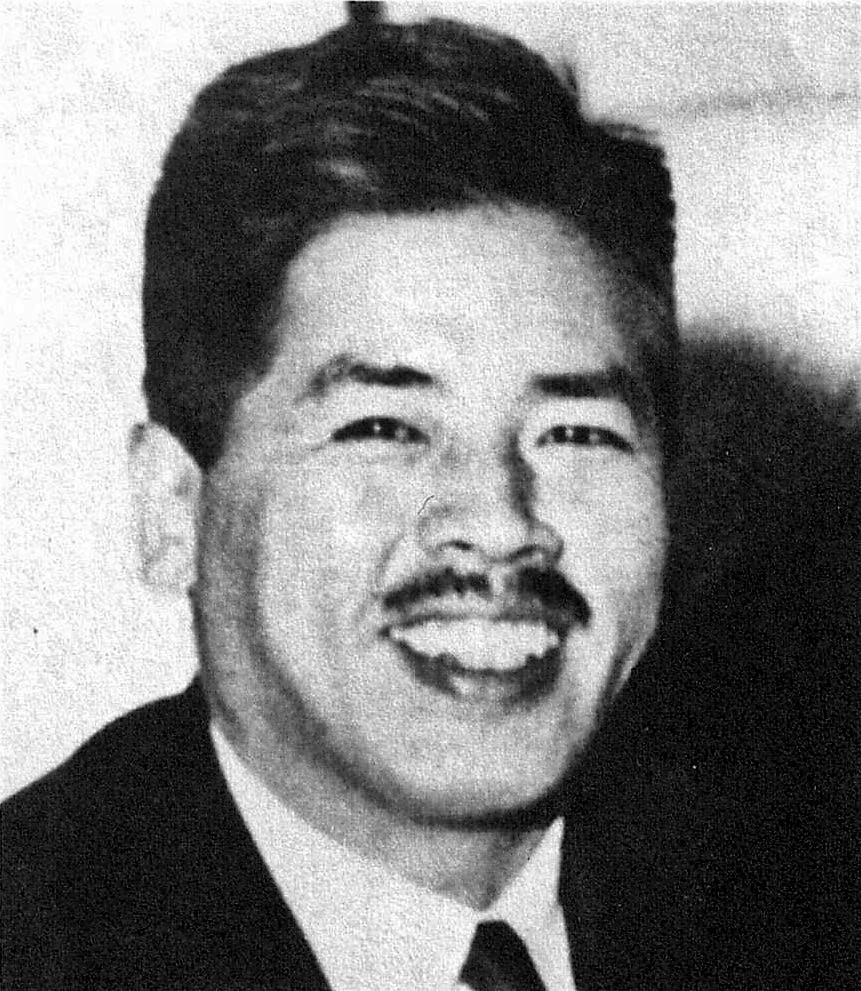
Jitsuzo Hinago, a sculptor from Usuki who designed the original symbol of Japanese football.
Image: Wikimedia Commons (Public Domain)
He studied sculpture at the Tokyo School of Fine Arts, now Tokyo University of the Arts, under the famous sculptor Fumio Asakura.
Hinago later became known as a sculptor and designer.
And one of his designs would eventually become familiar to football fans across Japan.
The Three-Legged Crow Becomes a Football Symbol
In 1931, the Japan Football Association decided to create a new symbol for the organization.
The idea of using a three-legged crow was proposed, and Hinago was asked to turn the idea into a design.
The following year, his design was selected for the association’s official flag.
The crow was Yatagarasu.
Nearly a century later, the three-legged bird remains closely associated with Japanese football.
Millions of football fans have seen it.
Far fewer know that the artist who gave the symbol its form came from Usuki.
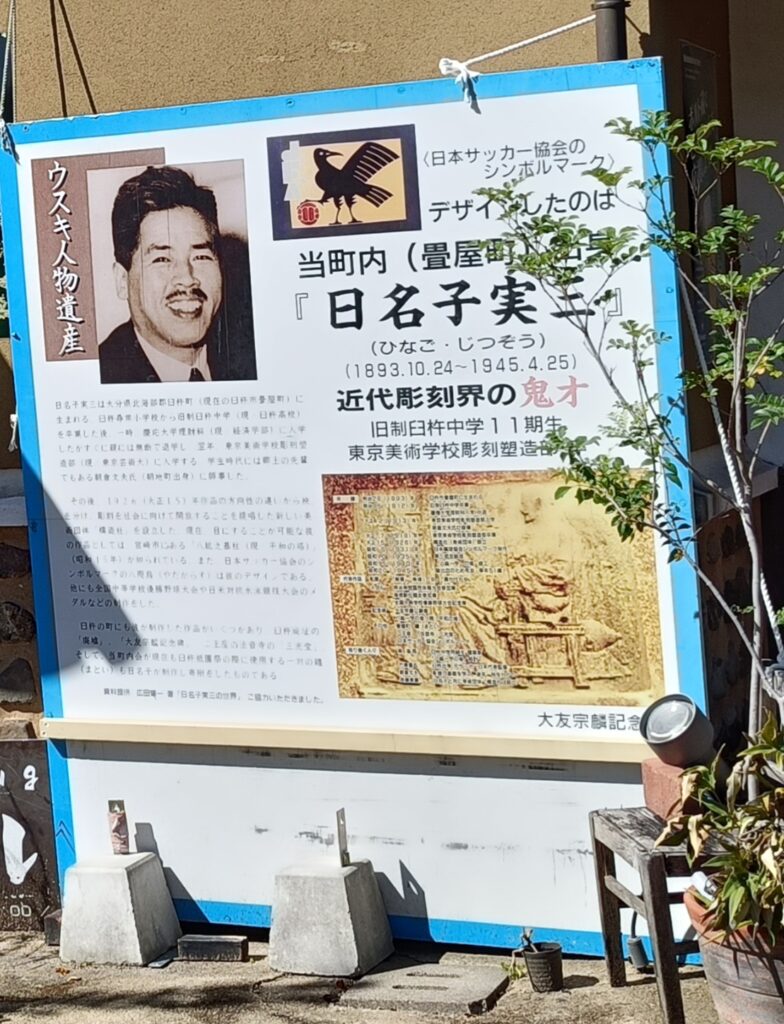
A panel introducing Jitsuzo Hinago.
Photo: SORECCHA
You Can Still Find His Work in Usuki
Hinago’s connection with Usuki did not disappear when he left the city.
Some of his work can still be seen here today.
At the Usuki Castle Ruins, you can find a relief of Otomo Sorin, the Christian daimyo who ruled this region during the 16th century.
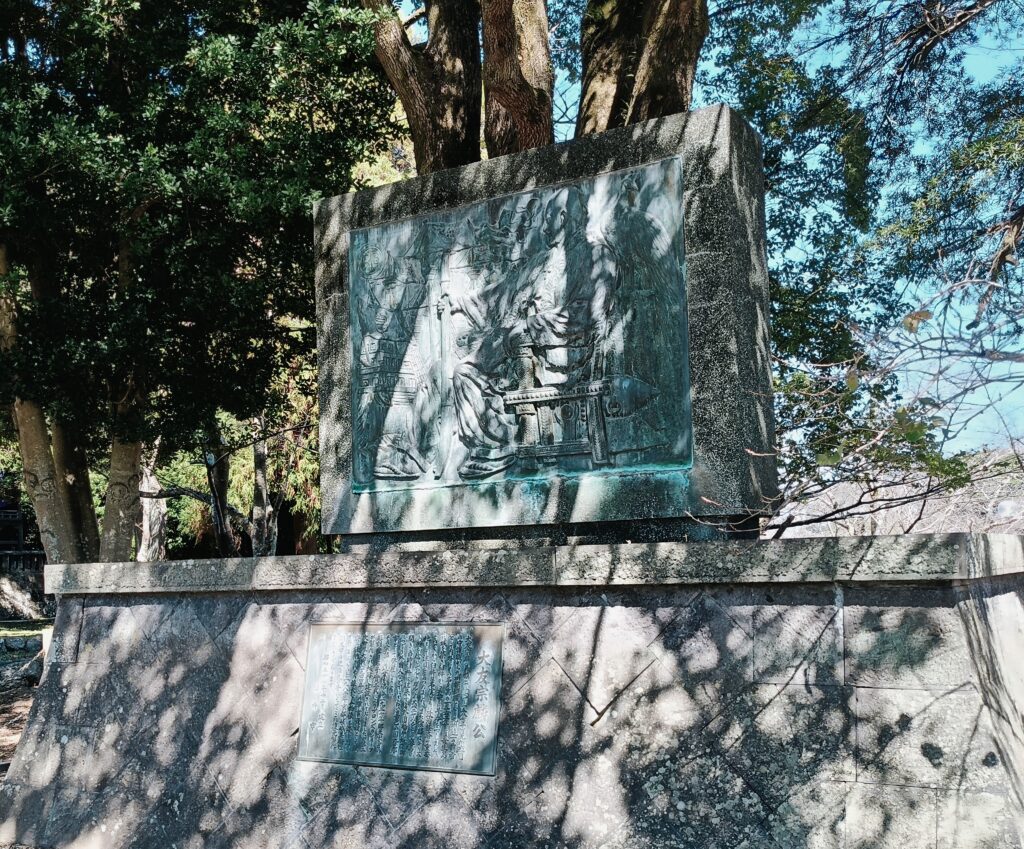
A relief of Otomo Sorin at the Usuki Castle Ruins, based on a work by Jitsuzo Hinago.
Photo: SORECCHA
Hinago originally created the relief in the 1930s.
The original was later lost after being removed during wartime metal collection, but a replica now stands at the castle ruins.
There is also another work by Hinago at the Usuki Castle Ruins.
It is a sculpture titled Ruins (Haikyo), dating from 1920, early in his career.
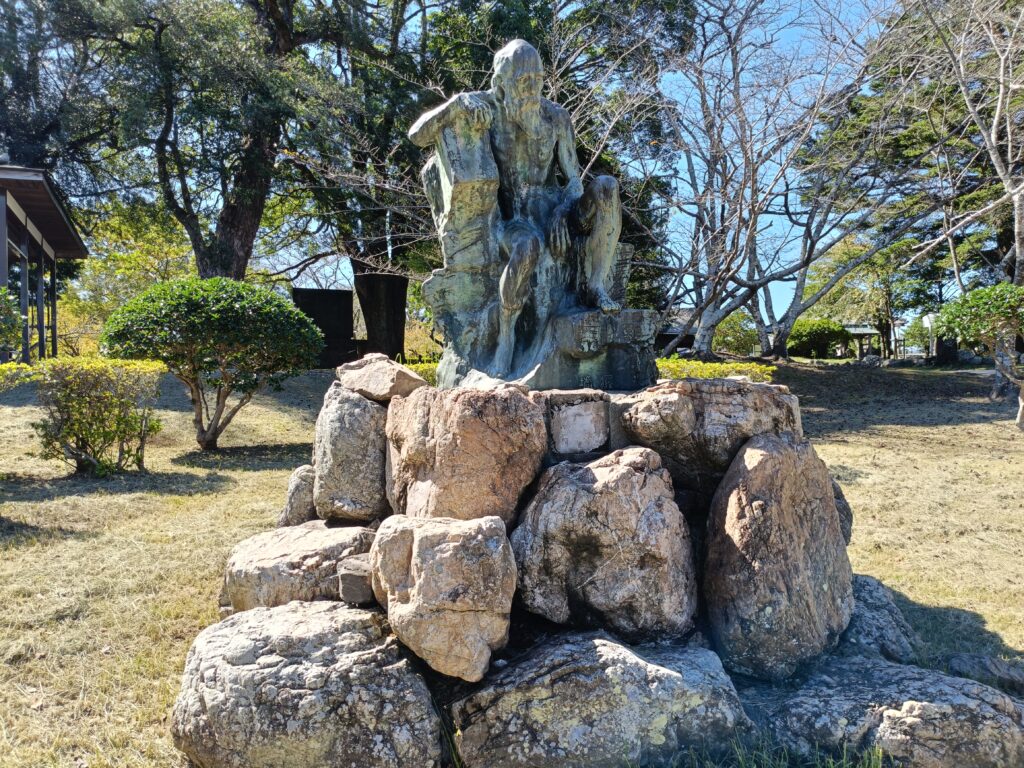
Ruins (Haikyo), a 1920 sculpture by Jitsuzo Hinago at the Usuki Castle Ruins.
Photo: SORECCHA
So visitors walking through the former castle grounds can still encounter the work of the man who helped create one of the most familiar symbols in Japanese football.
And There Is Another Hinago Work Nearby
Another interesting place connected with Hinago is Hoonji Temple in Usuki’s historic Nioza district.
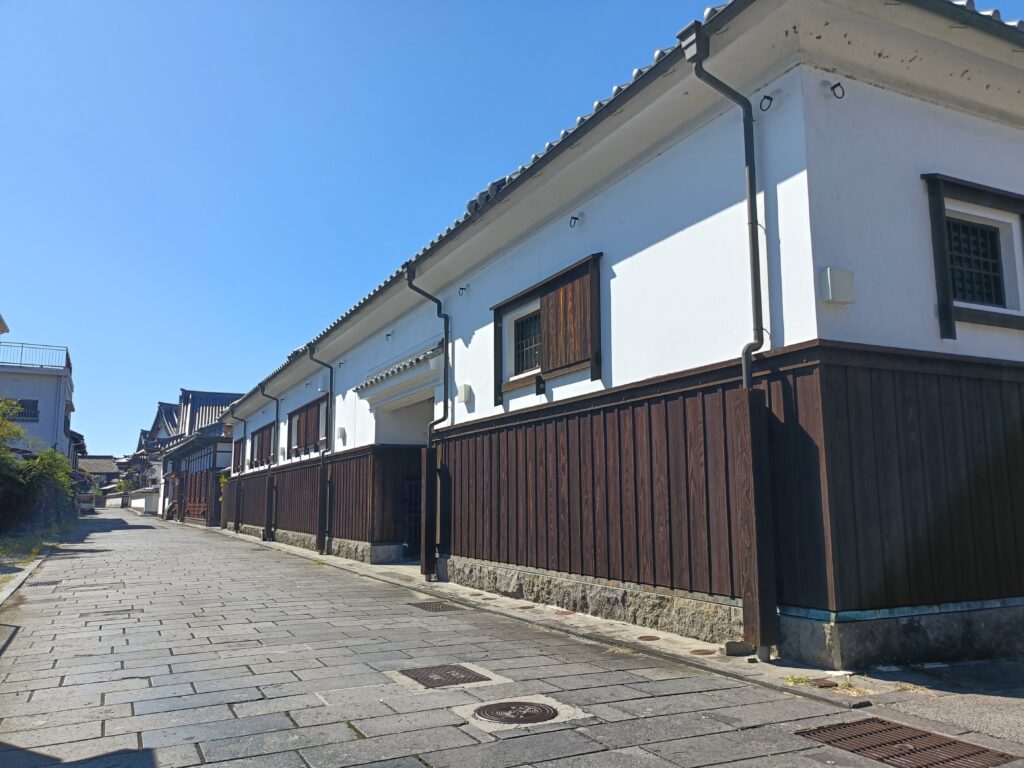
A traditional street in Nioza, one of Usuki's historic districts.
Photo: SORECCHA
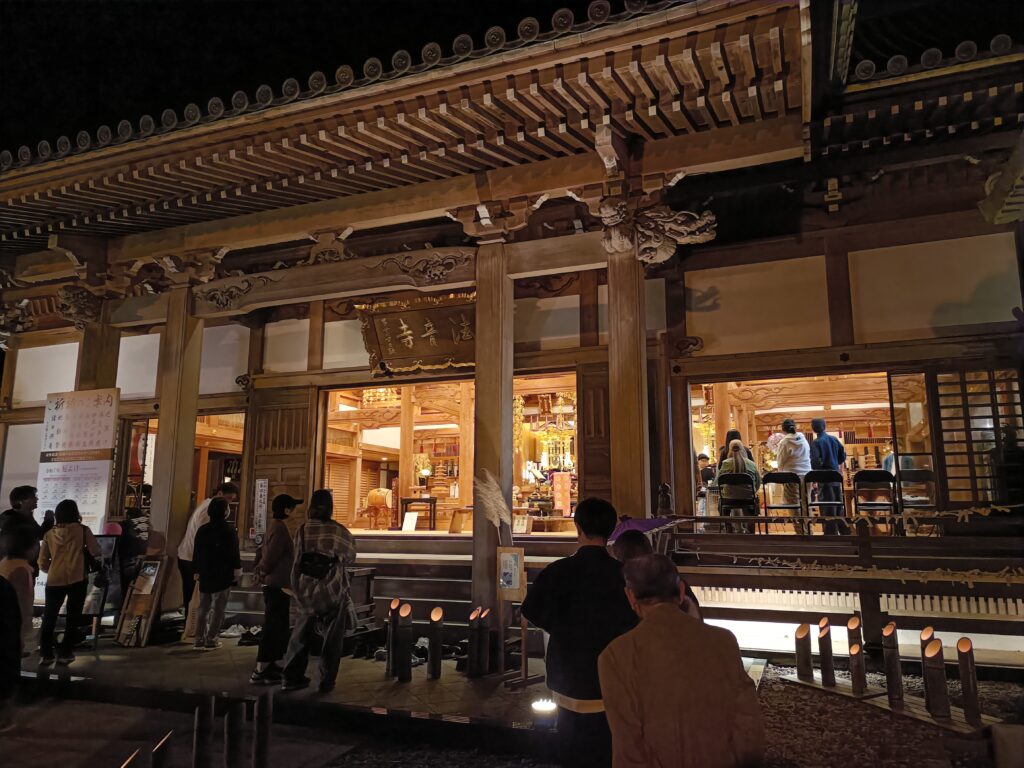
Hoonji Temple in Nioza during the Usuki Takeyoi festival, when bamboo lanterns illuminate the historic district.
Photo: SORECCHA
There you can find a small building called Sanko-do, designed by Hinago.
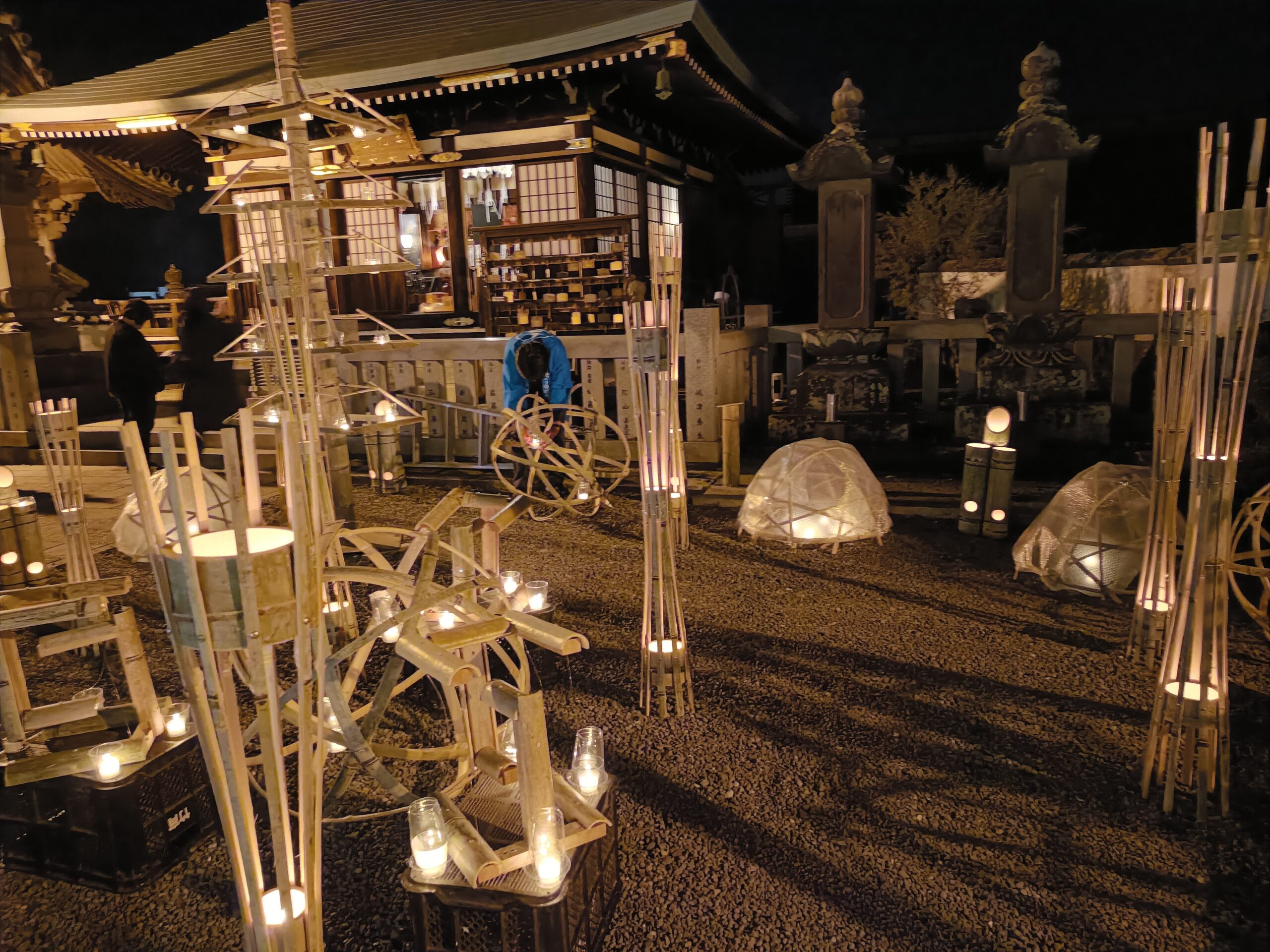
Sanko-do at Hoonji Temple, photographed during the Usuki Takeyoi festival. The building was designed by Jitsuzo Hinago.
Photo: SORECCHA
The folding doors feature images of the Twelve Heavenly Generals together with animals of the Chinese zodiac.
It is another reminder that Hinago’s work extended far beyond the world of football.
From a Small City to the World of Japanese Football
The story of the three-legged crow is a strange journey.
It begins with an ancient legendary bird.
It becomes the symbol of Japanese football.
And behind the design is a sculptor born in Usuki.
Today, when Japan’s national team takes the field, the three-legged crow is still there.
And that three-legged crow came from an artist who was born here.

A panel introducing Jitsuzo Hinago outside a local bar in Usuki.
Photo: SORECCHA
And There Is Another Usuki Connection
Jitsuzo Hinago is not the only person from Usuki with an important connection to the early history of Japanese football.
Shigemaru Takenokoshi, who was also born in Usuki, became one of the leading figures in the early years of the sport in Japan.
He played for the Japanese national team and served as its captain.
In 1930, he was part of the Japanese team at the Far Eastern Championship Games, where Japan achieved one of its most important early international results.
He later became a manager of the Japanese national team.
Today, you can even find a panel about Takenokoshi inside a local bar in Usuki.
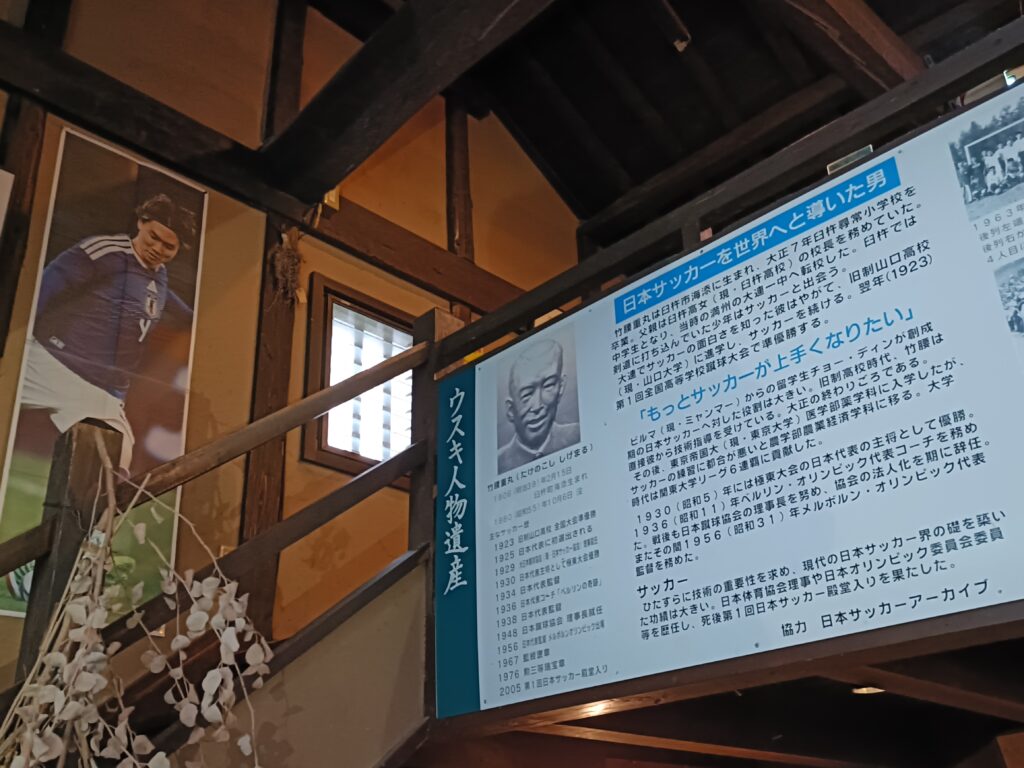
A panel introducing Shigemaru Takenokoshi inside a local bar in Usuki.
Photo: SORECCHA
So the next time you see Japan’s national football team, look at the three-legged crow.
Behind that familiar symbol is a surprisingly strong connection to this small city in Oita.
If You Want to Know More
Japanese Football and the Three-Legged Crow
- JFA Symbols — Japan Football Association
Official information about the JFA symbol, Japan National Team emblem and mascots. (English)
Jitsuzo Hinago and Usuki
- Jitsuzo Hinago — Wikipedia
A short English introduction to the Usuki-born sculptor. (English) - Hoonji Temple — Wikipedia
Information about Hoonji Temple and Sanko-do, which was designed by Jitsuzo Hinago. (Japanese) - Usuki Takeyoi — Official Website
Official information about Usuki's annual bamboo lantern festival. (Japanese)
Another Usuki Connection
- Shigemaru Takenokoshi — Japan Football Hall of Fame
JFA's profile of Takenokoshi and his role in the early history of Japanese football. (English)