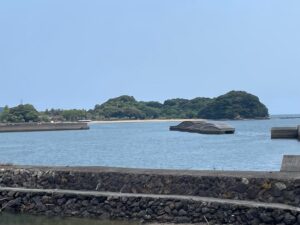
Did Japan’s First Cannon Fire in Usuki?
 N_Soreccha
In 1576, a powerful new weapon arrived in Japan. It was a Western-style cannon, brought to Otomo Sorin, one of Kyushu's most influential feudal lords. He named it Kuni-kuzushi — roughly meaning “Province Destroyer.”
And it ended up in Usuki.
But there is an interesting question:
Was Usuki the first place in Japan where this cannon was actually fired in battle?
The answer is not quite that simple.
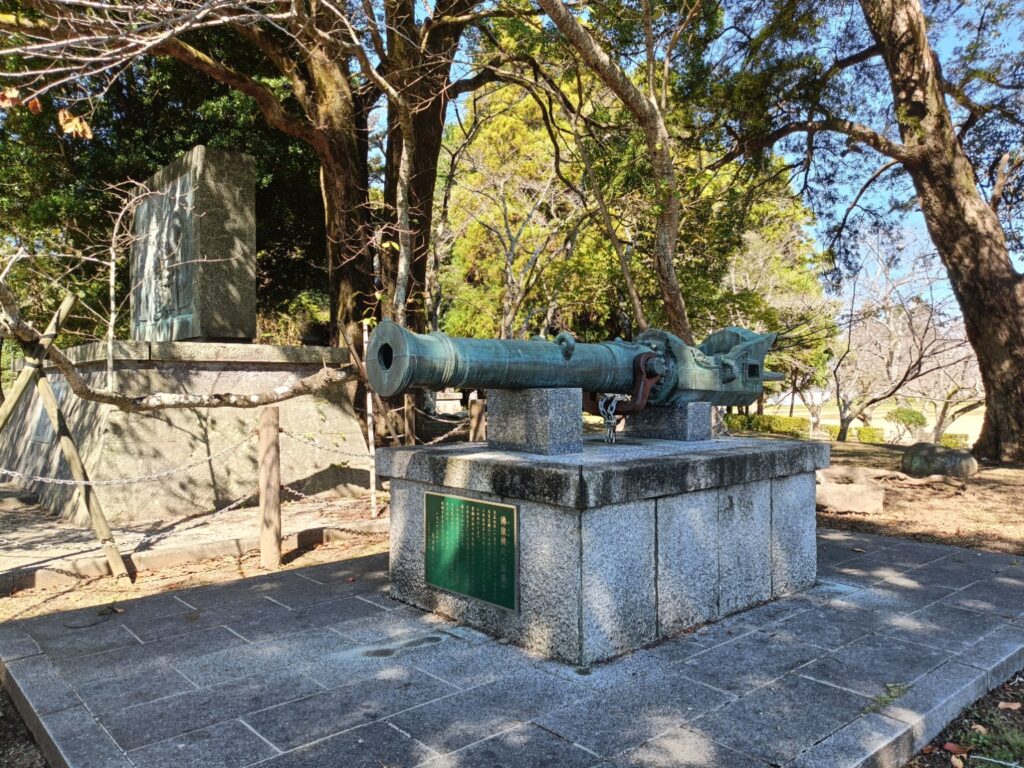
A replica of Kuni-kuzushi at Usuki Castle.
Photo: SORECCHA.
Japan’s First Western-style Cannon
The cannon came from the Portuguese, who had established trading connections with Japan.
It was a franki cannon, a type of early Western artillery.
Today, the cannon is often described as Japan’s first Western-style cannon.
Remarkably, the original cannon has survived for more than 400 years and is now displayed at Yasukuni Shrine in Tokyo.
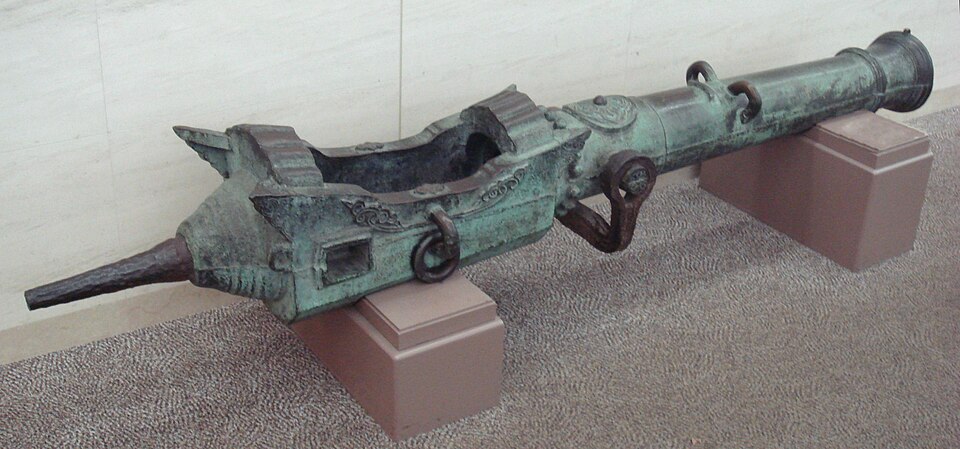
A historic swivel gun at Yasukuni Shrine in Tokyo.
Photo: Uploadalt / Wikimedia Commons (CC BY-SA 3.0)
A replica can also be seen at Usuki Castle Park, where the cannon was once used to defend the castle.
Sorin did not simply keep this strange new weapon as a curiosity.
He had it installed at his castle in Usuki.
Soon, the cannon would become part of the conflict between the Otomo and Shimazu clans.
A New Weapon in a War for Kyushu
At the time, Kyushu was a battlefield.
The Otomo clan controlled much of the island's north and center, while the powerful Shimazu clan was expanding northward from the south.
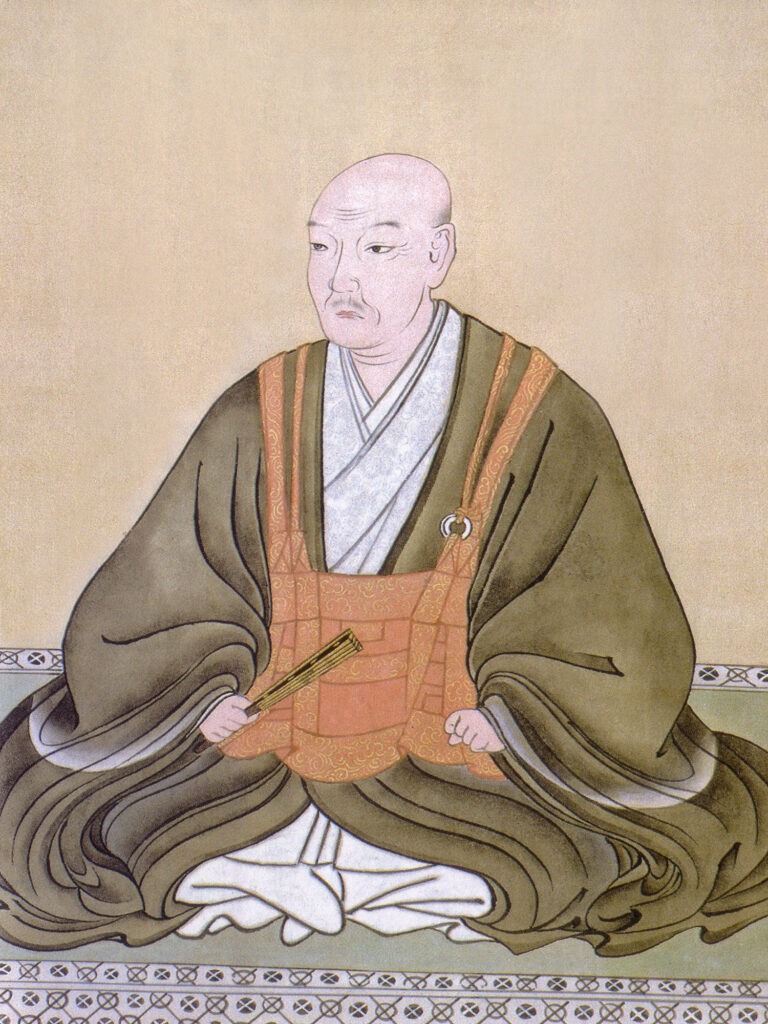
Otomo Sorin (1530–1587), who acquired Kuni-kuzushi from the Portuguese.
Portrait (copy): Zuiho-in Temple collection. Public domain, via Wikimedia Commons.
In 1578, the Otomo and Shimazu clans fought the Battle of Mimigawa in what is now Miyazaki Prefecture.
The Otomo army suffered a devastating defeat.
Some accounts suggest that Kuni-kuzushi may have been used during the fighting around Taka-jō Castle in 1578.
Whether it was actually fired in that battle remains uncertain, but a more vivid account of the cannon's use comes from Usuki in 1586.
So, was Usuki the first place in Japan where Kuni-kuzushi was fired in battle?
We can't say for certain, because it may have been used eight years earlier.
What we do know is that Kuni-kuzushi was one of Japan's earliest Western-style cannons — and that it would play a role in the defense of Usuki Castle in 1586.
Then the War Came to Usuki
Ten years after the cannon arrived, the balance of power in Kyushu had shifted dramatically.
In 1586, the Shimazu army invaded the Otomo territories.
Eventually, they advanced as far as Usuki.
At that time, Usuki Castle — also known as Niu-jima Castle — stood on an island in Usuki Bay.
Today, the area around the castle is connected to the mainland and surrounded by the modern city.
But in the sixteenth century, the castle was protected by the sea.
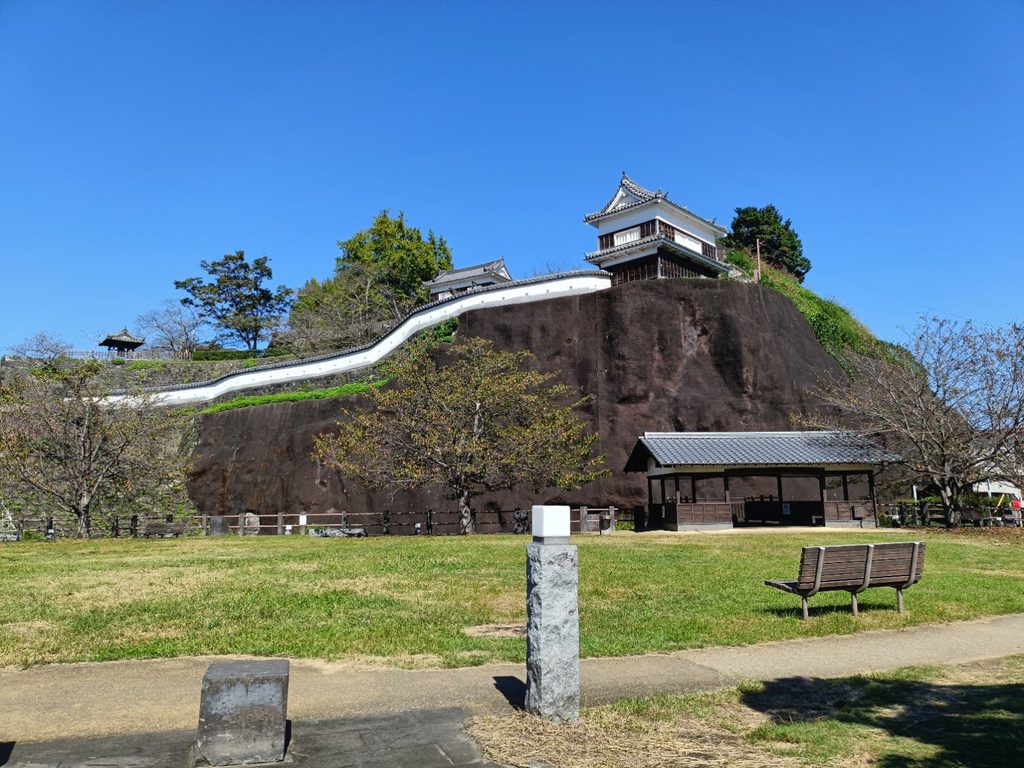
Usuki Castle today. In the 16th century, it stood on an island in Usuki Bay.
Photo: SORECCHA.
According to local accounts, Shimazu forces approached the castle from the direction of Korenji Temple.
Korenji is still there today, only a short distance from the castle area.
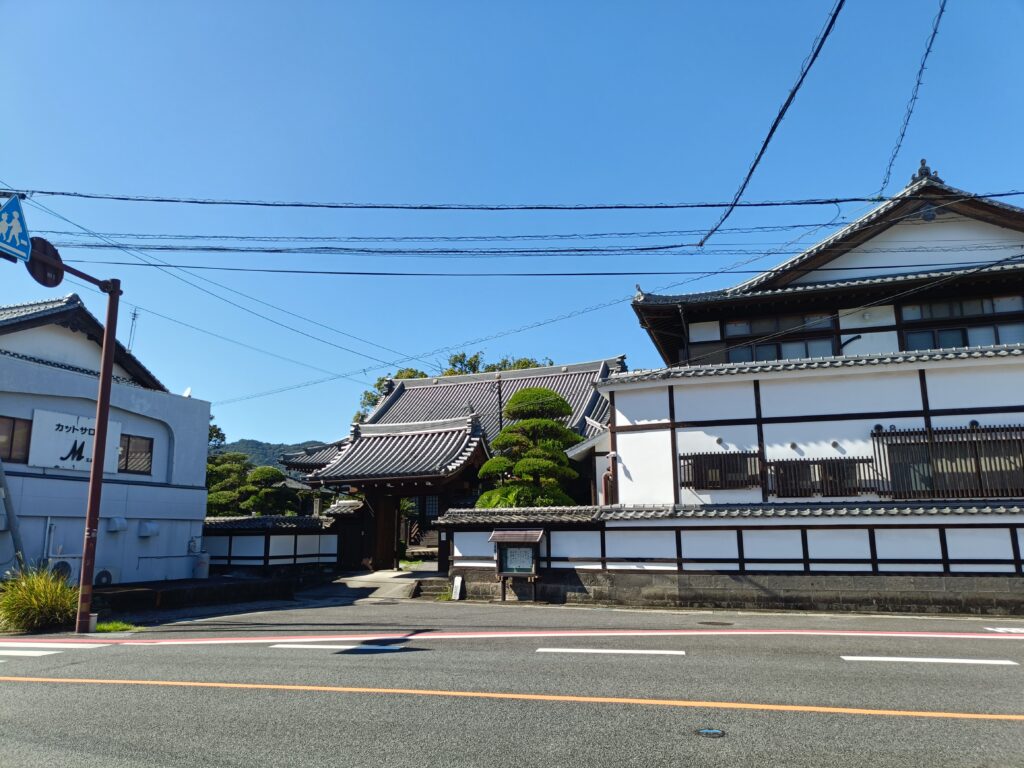
Korenji Temple, nestled among the streets of modern-day Usuki.
Photo: SORECCHA.
And inside the castle was the weapon Sorin had obtained ten years earlier:
Kuni-kuzushi.
The Cannon Fires
According to accounts of the battle, Sorin ordered his retainer Takemiya Musashi-no-kami to use the great cannon.
The cannon was loaded with gunpowder and projectiles.
Then it was aimed toward the Shimazu forces outside the castle.
One account describes the sound as echoing through the surrounding area.
What happened next is one of the most remarkable parts of the story.
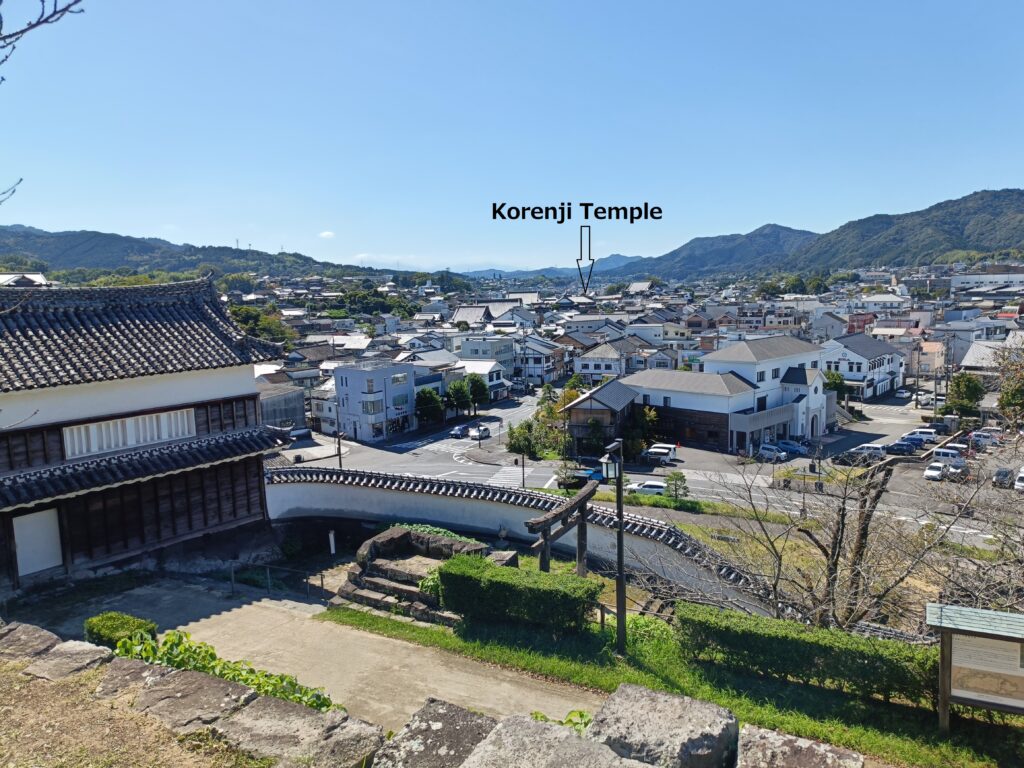
A view from Usuki Castle Park toward Korenji Temple (marked by the arrow).
Photo: SORECCHA.
Where Did the Cannonball Go?
So, what happened when Kuni-kuzushi was fired?
According to an account recorded in the Otomo Kohai-ki, the cannonball struck a large willow tree near what is now Korenji Temple.
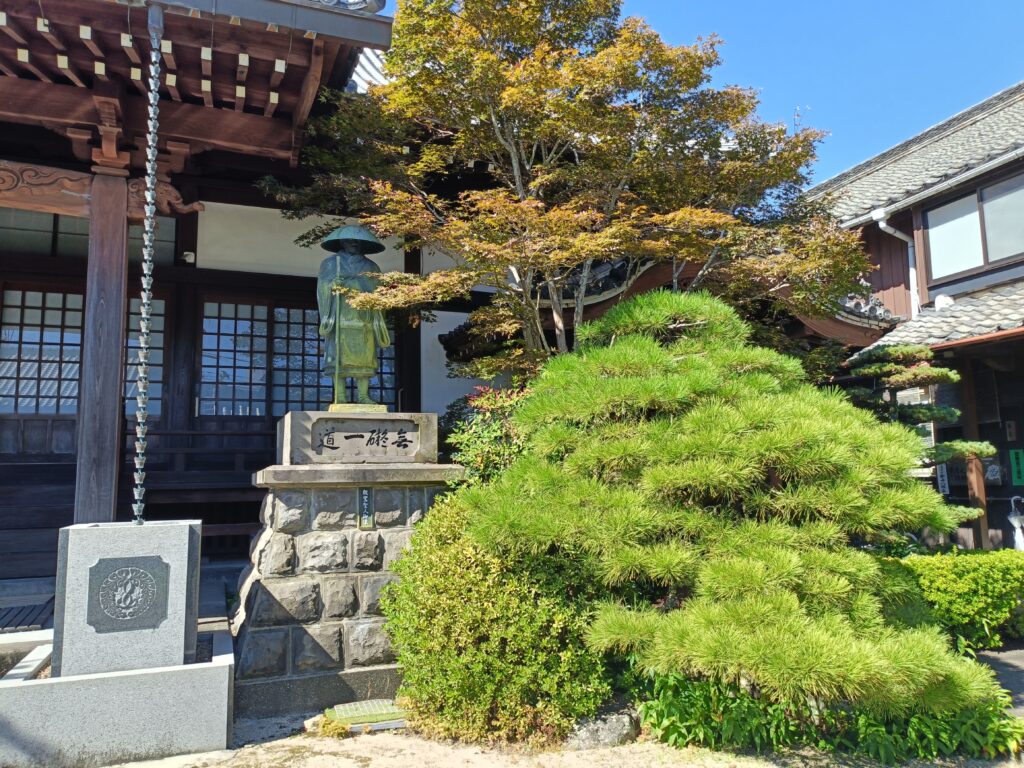
Trees in the grounds of Korenji Temple today. The willow tree described in the historical account is no longer there.
Photo: SORECCHA.
The impact brought down the tree, reportedly causing numerous casualties among the Shimazu soldiers who had been hiding nearby.
It's a remarkable story. What makes it even more fascinating is that we can still visit the area today.
Korenji Temple is located a short distance from Usuki Castle Park.
More than 400 years ago, the castle stood on an island surrounded by the sea. Today, the landscape looks very different.
Let's take a look at a modern map.
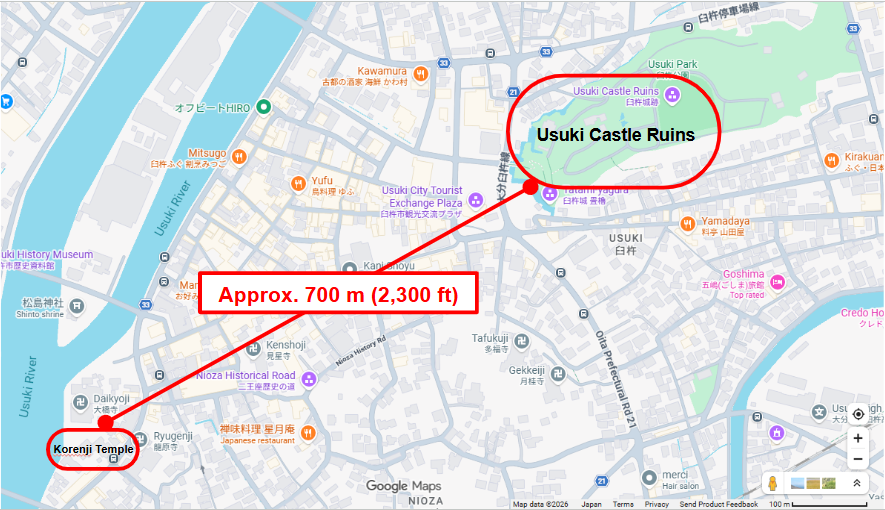
The straight-line distance between a viewpoint at Usuki Castle Ruins and Korenji Temple is approximately 700 meters (2,300 feet).
Map: Google Maps. Annotations: SORECCHA.
Using a modern map, I measured the straight-line distance from the edge of Usuki Castle Park facing Korenji Temple to the temple itself.
It's approximately 700 meters (2,300 feet).
Of course, this doesn't mean the cannonball actually traveled exactly 700 meters.
We don't know the precise position of the cannon or the willow tree it reportedly struck.
Still, the distance gives us a fascinating way to imagine the battle.
Standing at Usuki Castle Park today, you can look toward Korenji Temple and picture a cannonball flying across the landscape more than 400 years ago.
That's one of the most exciting things about exploring history in Usuki.
Did Kuni-kuzushi Save Usuki Castle?
The story of Kuni-kuzushi has become an important part of Usuki Castle's history.
Historical accounts suggest that the cannon played a role in the defense of Usuki Castle against the Shimazu forces.
The castle did not fall.
The fighting continued, and parts of the town were burned. Eventually, however, the Shimazu army withdrew.
Meanwhile, Toyotomi Hideyoshi was preparing to confront the Shimazu clan, setting the stage for his campaign in Kyushu in 1587.

Toyotomi Hideyoshi (1537–1598), who led the campaign against the Shimazu clan in 1587.
Portrait: Kanō Mitsunobu, Kōdai-ji Temple collection. Public domain, via Wikimedia Commons.
So, did Kuni-kuzushi really save Usuki Castle?
We can't say for certain. The cannon may have played an important role, but it wasn't necessarily the only reason the castle survived.
What we do know is that Usuki Castle held out against the Shimazu forces, and the story of Kuni-kuzushi remains one of the most memorable episodes in its history.
So, Was This Japan's First Cannon Battle?
This is where the story gets interesting.
Kuni-kuzushi is often described as Japan's first Western-style cannon, including in official materials published by Oita Prefecture.
In 1576, Otomo Sorin acquired the cannon from the Portuguese.
Some accounts suggest that Kuni-kuzushi may have been used during the fighting around Taka-jō Castle in 1578, before the Battle of Mimigawa.
However, whether Kuni-kuzushi was actually fired in that battle remains uncertain.
By contrast, a historical account known as the Otomo Kohai-ki describes Kuni-kuzushi being fired during the defense of Usuki Castle in 1586.
So perhaps the safest way to tell the story is:
Japan's first Western-style cannon arrived in Kyushu in 1576 and became part of the history of Usuki.
It may have been used in the fighting around Taka-jō Castle in 1578, but this remains uncertain.
In 1586, however, a historical account describes Kuni-kuzushi being fired from Usuki Castle against the Shimazu army.
We may never know exactly when Kuni-kuzushi first fired in battle.
But one thing is certain: its story is deeply rooted in Usuki, where a replica of this legendary cannon still stands today.
From a Terrifying Weapon to a Quiet Park
Today, the scene is completely different.
More than 400 years have passed since the battle, and little in the peaceful landscape suggests that this was once a place of war.
Usuki Castle, once surrounded by the sea, now stands on land connected to the rest of the town.
People stroll through the park, explore the castle ruins, take photographs, and enjoy views of Usuki.
And among the trees stands a replica of Kuni-kuzushi, the legendary cannon said to have helped defend the castle.
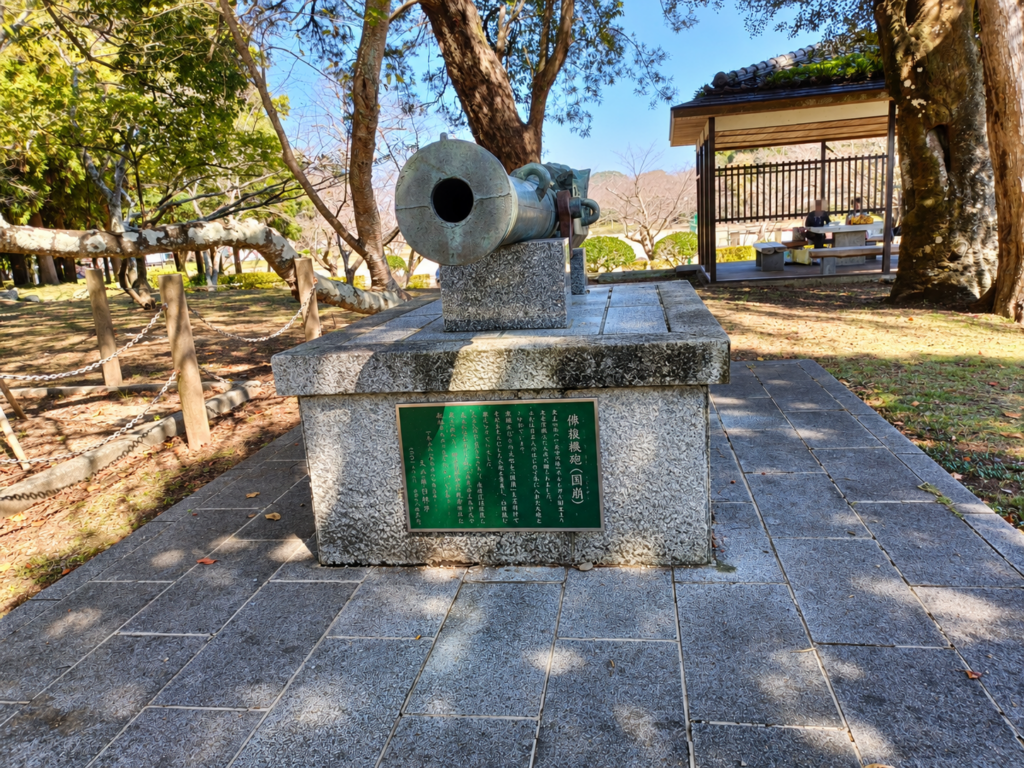
A replica of Kuni-kuzushi stands quietly in Usuki Castle Park, while visitors enjoy a peaceful moment nearby. A weapon once associated with war is now part of the park's everyday scenery.
Photo: SORECCHA.
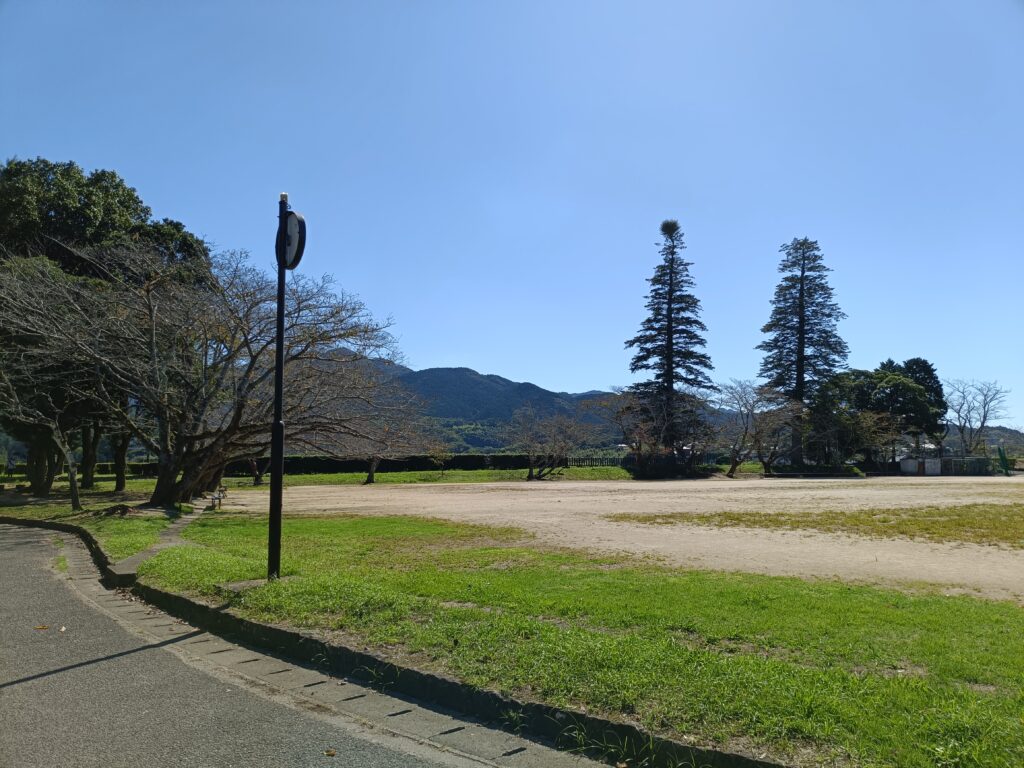
Once part of a castle that faced an invading army, this open space is now a peaceful part of Usuki Castle Park.
Photo: SORECCHA.
The cannon itself belongs to a distant chapter of Japanese history.
But here in Usuki, its story still feels close.
You can stand where the castle once faced the Shimazu army, look out over the town, and imagine how different this landscape must have been in 1586.
That's what makes Usuki Castle Park special.
It's not just a beautiful place to visit. It's a place where a remarkable piece of history still feels alive.
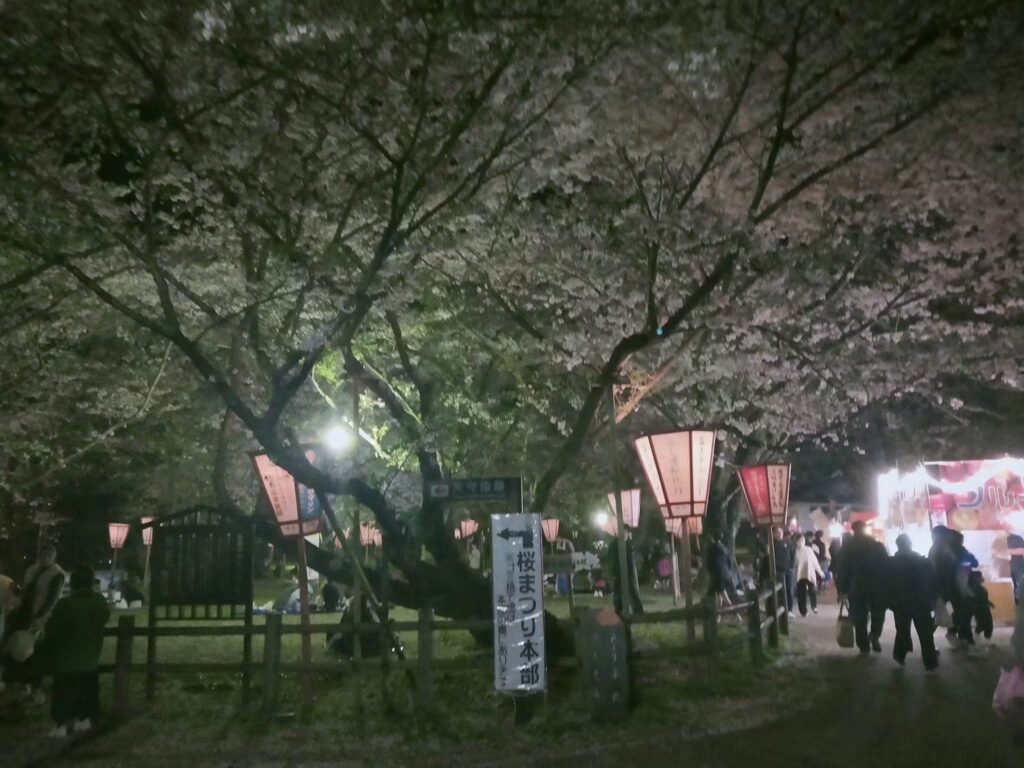
Every spring, Usuki Castle Park becomes a place for people to gather and enjoy the cherry blossoms. A site once associated with war is now a place for celebration.
Photo: SORECCHA.
One More Thing to Look For
When you visit Usuki Castle Park, take a moment to look beyond the castle ruins.
Look toward Korenji Temple.
Today, you'll see streets, buildings, and the everyday scenery of Usuki.
But more than 400 years ago, this was part of a very different landscape.
According to a historical account, a cannonball fired from Usuki Castle struck a large willow tree near what is now Korenji Temple.
The tree is long gone, and the exact path of the cannonball is unknown.
But the places connected to the story are still here.
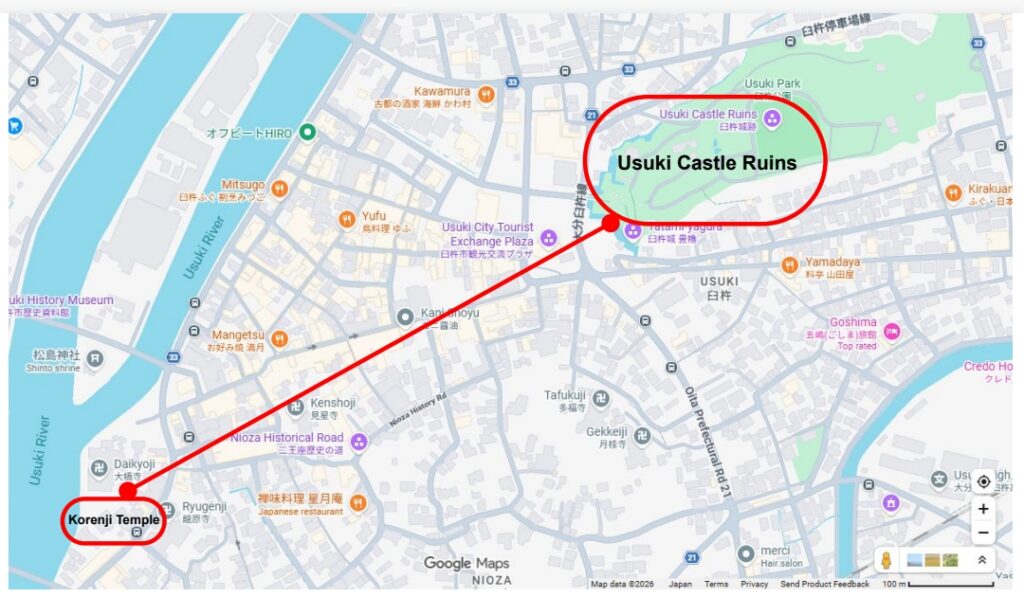
Usuki Castle Ruins and Korenji Temple are both located within walking distance in central Usuki.
Map: Google Maps. Annotations: SORECCHA.
Kuni-kuzushi is remembered as Japan's first Western-style cannon.
We may never know exactly when it was first fired in battle.
But we do know that its story became part of Usuki's history.
And today, standing at Usuki Castle Park, you can still look out over the landscape where that remarkable story unfolded.
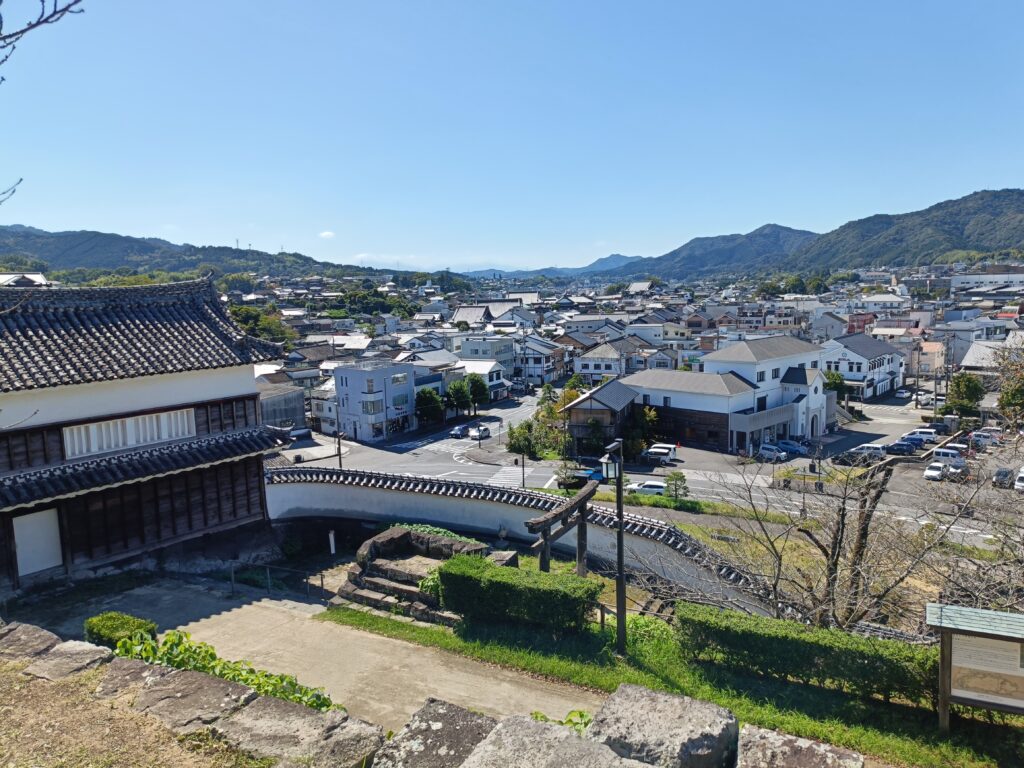
Looking out over modern-day Usuki from Usuki Castle Park. Somewhere in this landscape, the events described in the historical account unfolded more than 400 years ago.
Photo: SORECCHA.